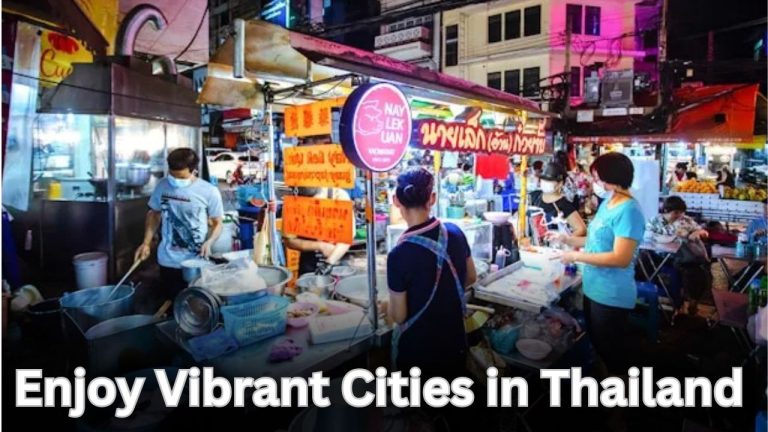
Thailand is known for its tropical beaches and vibrant nightlife, but its true soul lives inside its ancient temples. From golden Buddha statues to centuries-old ruins hidden in former kingdoms, Thailand’s temples offer a peaceful escape and a deeper look into Thai culture, spirituality, and architecture. Whether you’re a history lover, a photographer, or a casual traveler, exploring Thailand’s temples is an unforgettable experience.
You can explore Thailand’s ancient city temples By visit historical parks like Ayutthaya and Sukhothai, which are UNESCO World Heritage sites featuring stunning ruins, or by visiting the Ancient City (Muang Boran), a 300-hectare outdoor museum near Bangkok with life-size replicas of famous landmarks from across the country. Each option offers a unique way to discover the nation’s rich architectural and cultural heritage.

Why Visit Ancient Temples in Thailand?
Exploring temples (called wats in Thai) is more than sightseeing — it’s stepping into living history. Thailand’s temples showcase:
- Golden Buddhist architecture
- Sacred relics and ancient murals
- Historic kingdoms like Ayutthaya, Sukhothai & Lanna
- Peaceful spaces for meditation, reflection, and photography
- Cultural traditions still alive today

Historical parks
- Ayutthaya Historical Park The former capital of Siam, now a UNESCO site with extensive ruins.
- Key temples: Wat Phra Si Sanphet, Wat Mahathat (famous for the Buddha head entwined in tree roots), and Wat Chaiwatthanaram.
- How to explore: Biking and canal boat tours are popular ways to see the sites.
- Sukhothai Historical Park The remains of the 13th-century capital, featuring over 30 ancient temples.
- Key temples: Wat Mahathat, Wat Sri Chum, and Wat Sri Sawai.
- How to explore: Biking is a great way to get around the park.
Kamphaena Phet Historical Park: Another historically significant park with ancient ruins.
Top Ancient City Temples to Explore in Thailand

Bangkok – Royal Grandeur & Iconic Temples
Bangkok’s temples are famous for their size, detail, and spiritual importance. Even in a busy city, these temples feel calming and sacred.
Bangkok offers a journey through royal grandeur and iconic temples, starting at the garden place, a former royal residence , and moving to to the sacred of the Emerald Buddha with its grounds. Nearby, Wet Pho houses a 46-meter-long, gold-leaf-covered Reclining Buddha, and across the Chao Phraya River, the striking spire of Wet Arun, or Temple of Dawn, is a must-see landmark. A visit to these sites offers a deep dive into Thailand’s rich history, architecture, and spiritual significance.
The Temple of the Emerald Buddha (Wat Phra Kaew)

Located inside the Grand Palace complex in Bangkok, The Temple of the Emerald Buddha (Wat Phra Kaew) is the spiritual heart of Thailand. It is not only the most sacred Buddhist temple in the country but also a stunning showcase of royal architecture, ancient history, and deep cultural symbolism. Every year, millions of travelers visit to admire its glittering golden structures, mythical murals, and the highly revered Emerald Buddha statue.
Whether you’re a cultural explorer, a photographer, or a first-time visitor to Thailand, Wat Phra Kaew is an essential landmark to experience.
What Makes Wat Phra Kaew So Special?
Home to Thailand’s Most Sacred Buddha Image
At the center of the temple sits the Emerald Buddha, a 66 cm tall statue carved not from emerald but from a single piece of jade. The figure is believed to be over 600 years old and is considered the protector of Thailand.
Located Inside the Grand Palace
Your visit includes one of the world’s most iconic palace complexes, filled with golden stupas, royal halls, mythical statues, and detailed wall murals.
A Masterpiece of Thai Architecture
Every surface — walls, pillars, rooftops, and statues — is decorated with:
- Gold leaf
- Colored glass mosaics
- Mythological figures
- Intricate carvings
It’s a breathtaking fusion of religion, royalty, and artistry.
Seasonal Ceremonies by the King
The Emerald Buddha’s robe is changed three times a year by the Thai King, marking the:
- Hot season
- Rainy season
- Cool season
This ceremony symbolizes blessings for the kingdom.
A Brief History of Wat Phra Kaew
Wat Phra Kaew was built in 1782 by King Rama I, the founder of the Chakri Dynasty, when Bangkok became the capital of Siam (now Thailand).
The Emerald Buddha itself has a long, dramatic history:
- Originally discovered in Chiang Rai (1434)
- Traveled to Lampang, Chiang Mai, and later Laos
- Finally returned to Thailand under King Taksin
- Installed in Bangkok by King Rama I
This journey symbolizes protection, unity, and prosperity for the Thai nation.
Etiquette & Dress Code at Wat Phra Kaew
Because this is Thailand’s most sacred temple, proper behavior is essential.
Dress Code
Must cover:
- Shoulders
- Chest
- Knees
Avoid:
- Sleeveless shirts
- Shorts above the knee
- Ripped jeans
- Tight, see-through clothing
Clothes and sarongs can be rented at the entrance if needed.
Behavior Rules
- Remove shoes when entering temple buildings
- Speak softly
- No hats inside sacred areas
- No touching monks (especially for women)
- No photography inside the Ubosot
Opening Hours & Entrance Fees
Open Daily: 8:30 AM – 3:30 PM
Ticket Price (Grand Palace + Wat Phra Kaew): ~500 THB
Includes entry to the Queen Sirikit Textiles Museum
Best Photography Spots
- Golden Chedi
- Demon Guardians
- Outer Ramakien Mural walls
- Royal Pantheon exterior
- Angkor Wat model
- Outer courtyard arches
Pro Tip: Use early morning light for soft reflections and fewer tourists.

Why Wat Phra Kaew Should Be on Your Thailand Bucket List
Visiting the Temple of the Emerald Buddha is:
- A spiritual experience
- A visual masterpiece
- A historical journey
- A cultural introduction to Thai identity
It captures everything that makes Thailand magical — golden beauty, deep devotion, and royal tradition.
For travelers wanting to understand Thailand beyond beaches and nightlife, Wat Phra Kaew is where the story begins.